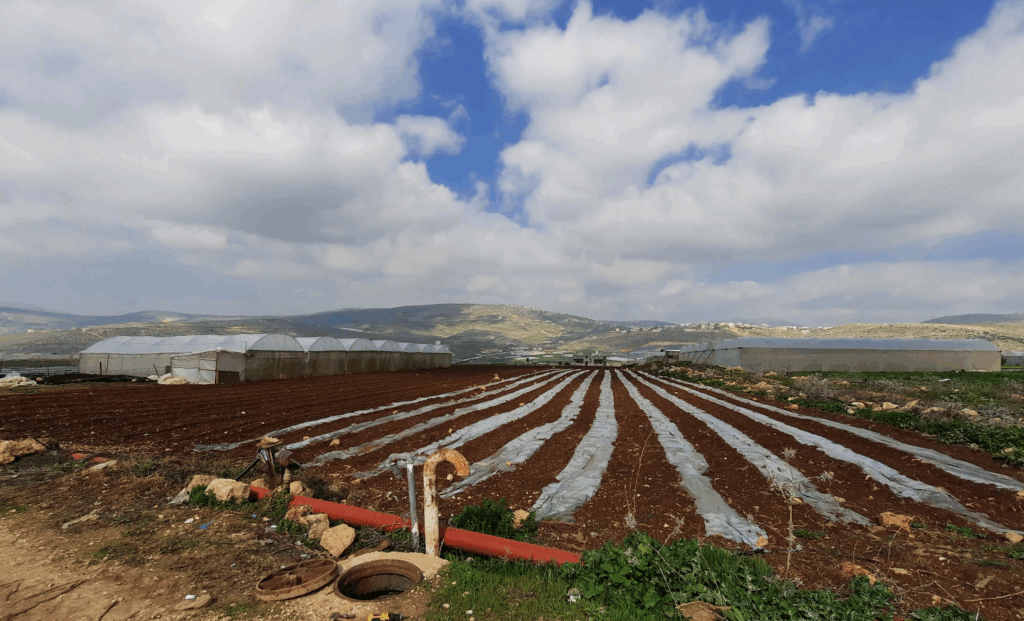
Here’s what you need to understand about water in the West Bank: there isn’t nearly enough. Utilities can’t afford to lose any of it.
Tubas manages water supply for seven communities across the northeast region. Most are rural areas spread across difficult terrain, which makes an already tough job even harder. Like utilities everywhere, they deal with leaks and water losses. But in their situation, every liter that leaks into the ground means a family doesn’t get the water they need.
For years, the team maintained regular inspection schedules. They ran preventive maintenance programs. Field crews walked the network checking for problems.
But leaks don’t announce themselves. By the time someone spotted a wet patch or received a pressure complaint, the leak had already wasted days of water. Days of water lost. Sometimes weeks.
The team knew their current approach wasn’t working well enough. They needed to rethink their entire strategy.
What Traditional Methods Could Accomplish
Like most utilities, Tubas relied on the tools and knowledge they’d built up over time. Their operations staff knew the network intimately. They’d developed good instincts about where leaks were most likely to happen, based on pipe age, materials, and past performance. They’d inspect those vulnerable spots regularly, fix whatever they found, and move on to the next location.
The problem was that this approach had clear limits. The network covered too much ground for thorough monitoring. Leaks developed in places no one expected.
And even when crews responded quickly, water had still leaked for days. ‘Quick’ meant the problem was already several days old.”
The math told a frustrating story. Water volumes entering the system didn’t match what reached households. Somewhere in the distribution network, significant amounts simply disappeared. The team couldn’t pinpoint losses fast enough to actually reduce them.
What they needed was a way to see problems developing, not just evidence of failures that had already happened.
When Everything Changed
About eighteen months ago, Tubas made a strategic decision. Instead of continuing to search for leaks after they’d already caused losses, what if they could detect problems as they were just starting?
They installed sensors throughout the network. They didn’t install sensors everywhere at once. They started with a pilot program in Ras Al-Fara’a, a small residential neighborhood with 30 households. A manageable test case where they could prove the concept without too much risk.
The sensors measure water flow and pressure continuously. Every few minutes, they send data to a Flowless WaterCloud platform that operations staff can check from their phones or computers. When something looks wrong, pressure drops, unusual flow patterns, the platform sends immediate alerts.
The shift was significant. The team moved from making educated guesses to actually seeing what was happening in their pipes in real time.
The Results They Achieved
What happened in Ras Al-Fara’a surprised even the Tubas team. Water supply volumes to those 30 households dropped by 50% compared to their previous baseline. This wasn’t because residents received less water; they continued getting the same reliable service.
The difference was that the water stopped leaking.
Flowless system caught problems in the network that traditional methods had consistently missed. Small leaks that would have grown into major breaks. Pressure issues that indicated developing cracks. Patterns that revealed hidden distribution problems.
The response workflow changed completely. An alert would come through in the morning. By afternoon, a crew had reached the location to investigate.
Tubas’ NRW team fixed the problem within a day. Instead of losing thousands of liters over weeks, they now caught and stopped water leaks within hours.
That adds up to thousands of liters saved every month. Water that now reaches homes instead of seeping underground.
The improvement showed up clearly in their monthly performance reports too. Supply volumes that used to fluctuate unpredictably became stable and consistent. The team could finally see the direct connection between what they did and the results they got.
How Daily Operations Transformed
Talk to the operations team today, and they’ll tell you the biggest change isn’t about the technology itself. It’s about working ahead of problems instead of always chasing them.
Before, their entire workflow was reactive. A complaint would come in. They’d send a crew. Search for the leak. Fix it. Then wait for the next complaint.
The cycle was exhausting and inefficient. The team felt like they were constantly fighting fires.
Now they catch issues before customers even notice. A sensor flags something unusual. They investigate right away.
If it’s a real problem, they fix it while it’s still small. If it’s nothing serious, they at least know that for certain. Either way, they stay in control.
The platform shows everything in one dashboard. Flow rates across different network zones. Pressure levels throughout the day.
Consumption patterns that help identify problems. When the numbers look off, they investigate. Usually, they find something that needs attention.
It also changed how field crews spend their time. Instead of walking miles of pipeline hoping to spot something wrong, they go directly to locations the data highlights.
They fix the issue. They move to the next one. It’s faster, more efficient, and much less frustrating for everyone.
The team discovered something unexpected too. Once they could analyze patterns in the data, they discovered something new. They understood their network in ways they never had before.
Which zones had the most problems? What times of day showed the biggest pressure variations? Where they should focus infrastructure upgrades for maximum impact.
What This Means More Broadly
Tubas started with 30 households. One neighborhood where they could test whether this approach actually worked. It did. Now they’re expanding the same methods across their entire service area.
The real lesson here goes beyond technology. It’s about visibility. For decades, water utilities have operated with significant blind spots.
They knew how much water entered the system and roughly how much reached customers. Everything happening in between was mostly guesswork.
Real-time monitoring eliminates those blind spots. It gives teams the ability to see what’s actually happening in their networks. To spot problems while they’re still manageable. To make decisions based on solid data instead of hunches and experience alone.
For regions dealing with water scarcity, this capability matters even more. When supply is already limited, you absolutely cannot afford losses.
Every liter counts. Every leak reduces what’s available for communities. Finding and fixing problems quickly isn’t just good operations. It’s essential for serving the people who depend on you.
Looking Ahead
Tubas hasn’t finished this journey. They’ve proven the concept works in one neighborhood. Now comes the harder part: scaling it across their complete service territory. More sensors. More data. More opportunities to catch problems early.
But they’ve already seen what’s possible. A 50% reduction in supply losses means more than just better numbers. It’s water reaching homes instead of disappearing underground.
It’s a utility delivering better service with the same limited resources. It’s a team that can finally stay ahead of problems instead of constantly reacting to them.
Other utilities are watching, especially those facing similar water stress. The challenges are universal. Aging infrastructure. Tight budgets. Growing demand. Water that’s too valuable to waste.
The solution is becoming clear. You can’t manage what you can’t see. Real-time monitoring makes it possible to see.
Want to explore how this could work for your utility? Request a demo and we’ll show you what real-time monitoring looks like in action.

Aya Bozia
Flowless CMO