

Water utilities lose 128 billion cubic meters of water globally each year. This translates to $40 billion in lost revenue. That’s money that could fund infrastructure upgrades, improve service reliability, and reduce treatment costs.
Smart utility managers know this loss isn’t inevitable. They’re taking action with proven strategies that cut water loss, improve financial health, and strengthen their networks. Here’s how they do it.
Understanding the Two Types of Water Loss
Water loss falls into two categories, and each requires a different approach. Real losses happen when water physically leaks from your pipes. These leaks reduce your network’s capacity, threaten service reliability, and create water quality risks.
Apparent losses occur when customers consume water, but you never bill them. Faulty meters, data handling errors, and unauthorized connections drain revenue you need for operations and maintenance. About 74% of global water loss happens in developing regions. Water utilities there face aging infrastructure, limited funding, and higher rates of theft.
The good news is that utilities can measure, track, and reduce both types of losses with the right approach.
Step 1: Measure What You’re Losing
You can’t fix what you can’t measure. You need accurate numbers before investing in new infrastructure or detection equipment. These numbers show exactly where water disappears in your system.
Run a Top-Down Water Audit
The water audit (also called the water balance) gives you a cost-effective baseline without intensive fieldwork. You compile records of water supply, consumption, and known losses into a structured format that reveals the full picture.
The audit separates your water loss into real losses and apparent losses, showing you exactly where water disappears. With clear numbers, you invest resources where they’ll deliver the best returns. Run this audit annually to track progress and catch new problems early.
Get Your System Input Volume Right
The accuracy of your entire water balance depends on one critical number: System Input Volume (SIV). This measures the total volume of water entering your network. If your production meters aren’t accurate, every calculation that follows will be wrong.
Check your production metering for systematic errors. Calibrate meters and fix any issues before you build your water balance. If your system doesn’t supply water 24/7, take an extra step. Adjust these measurements so you can track performance consistently over time.
Step 2: Tackle Apparent Losses First
Apparent losses represent water customers consume but never pay for. Fixing these problems often delivers quick payback, revenue you can reinvest in other improvements.
Customer meters degrade over time, creating under-registration that costs you money. Test a representative sample annually and replace meters showing significant errors. The investment pays back quickly through recovered revenue.
Water also “disappears” during meter reading, data transfer, or billing. Map your billing process from meter reading through final invoice to find where errors creep in. Fix these systematic data handling errors and you immediately recover revenue.
Field surveys help you detect unauthorized connections, tampered meters, and unregistered consumption. Document what you find, take corrective action, and follow up to ensure compliance.
Step 3: Control Physical Leaks
Real losses require sustained commitment to maintain your network’s physical integrity. Four core strategies form the foundation of effective leakage control.
Manage Pressure Actively
Pressure management means operating your system at optimal pressure levels—not maximum levels. Excess pressure makes existing leaks flow faster, triggers new bursts, and stresses your infrastructure.
Reduce pressure where it’s higher than needed. You’ll minimize leak flow rates and reduce how often new leaks appear. Modern pressure monitoring tracks your network performance in real time. This lets you adjust pressure zones based on actual demand patterns.
Search for Hidden Leaks
Many leaks run silently underground for months before anyone notices them. The key is finding them before they waste massive volumes of water.
But here’s where many utilities start wrong. They invest in acoustic equipment, correlators and noise loggers, and send teams into the field immediately.
Then they face a problem: where do you even start? Your network spans hundreds of kilometers. Which street should your team survey first?
Start by breaking things down instead. Divide your network into District Metered Areas (DMA) if you haven’t already. This gives you manageable zones you can monitor and compare. Now you can see which areas lose the most water.
Use what you already have. Your meters generate data every day. Flow rates, pressure readings, and consumption patterns, this data shows you where problems hide. Smart water platforms analyze this data in real time and flag the areas that need attention first.
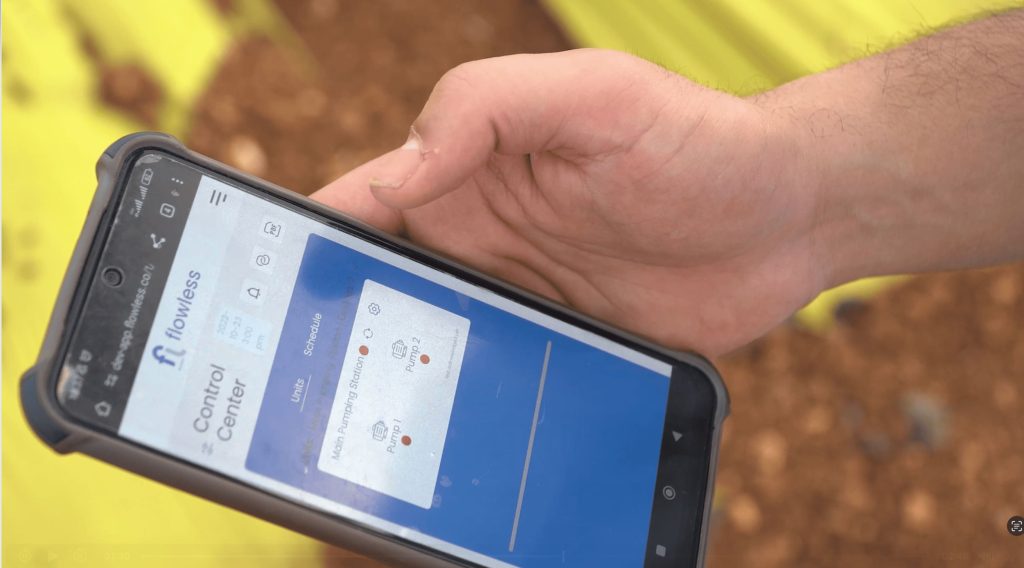
Platforms like Flowless take your existing meter data and spot unusual patterns. A DMA showing high nighttime flows?
That’s likely leaking. Pressure dropping in a specific zone? Something’s wrong there. The system guides you to the hottest spots.
Now your acoustic equipment becomes surgical. Instead of wandering your entire network hoping to find leaks, your teams know exactly which streets to survey. They pinpoint the exact location and your crews dig in the right spot the first time.
This approach controls total water loss because you catch leaks early. You’re not waiting for pipes to burst or customers to complain. You’re staying ahead of the problem.
Speed Up Repairs
The total volume a leak loses depends heavily on how long it runs. Cut time from awareness, location, or repair phases and you reduce total water loss.
Fast, quality repairs minimize the volume each leak wastes. This means having crews ready, parts in stock, and clear protocols. AI-powered systems detect pressure changes and unusual flow patterns the moment they start. Your team gets alerts immediately, so they can investigate before small leaks become major breaks.
Invest in Long-Term Asset Management
Some pipes need replacement, not just repair. Base these decisions on structural condition assessments and failure history, not just pipe age.
A well-maintained 60-year-old pipe delivers better service than a 20-year-old pipe that breaks down repeatedly. Look at actual failure rates, structural integrity, and how important the pipe is to service delivery. This strategic approach maximizes the impact of your capital investment.
Make Data Work for You
The utilities seeing the biggest improvements share one thing in common. They use data to make faster, smarter decisions.
Traditional approaches rely on manual data collection, spreadsheet analysis, and periodic surveys. This works, but it’s slow. By the time you spot a problem, analyze it, and plan a response, you’ve already lost thousands of cubic meters.
Water management platforms transform this timeline. Instead of waiting weeks for survey results, you see network performance in real time.
Flow anomalies trigger immediate alerts. Pressure data reveals exactly where problems emerge. Your team investigates issues within hours instead of months.
SABESP in Brazil used this approach to reduce water loss by 9% across their network. The change was simple: stop reacting, start preventing. They catch problems early and focus resources where they deliver the biggest impact.
Make It Continuous
Water loss management isn’t a one-time project. Think of it as a cycle. You assess losses, plan actions, implement them, and track results. Then you adjust based on what you learn.
This cycle ensures you manage water losses efficiently over the long term. Each iteration makes your network stronger and your operations more sustainable.
What This Means for Your Utility
Reducing water loss delivers multiple benefits that compound over time. Financial health improves as recovered revenue funds infrastructure upgrades without rate increases. Service reliability strengthens because less leakage means better pressure and fewer emergency repairs.
You’ll produce less water while serving the same customers. This cuts your energy and chemical costs significantly. Infrastructure lasts longer as lower pressure and better maintenance extend asset life.
The utilities that succeed treat water loss management as core business, not a side project. They measure consistently, act strategically, and keep improving. That’s how they turn water loss from an inevitable problem into a managed variable they control.
Curious how other utilities are tackling water loss? We’ve helped systems like SABESP reduce losses by 9% with AI-powered monitoring. If you’d like to explore what’s possible for your network, we’re here to help. Start a conversation.

Aya Bozia
Flowless CMO