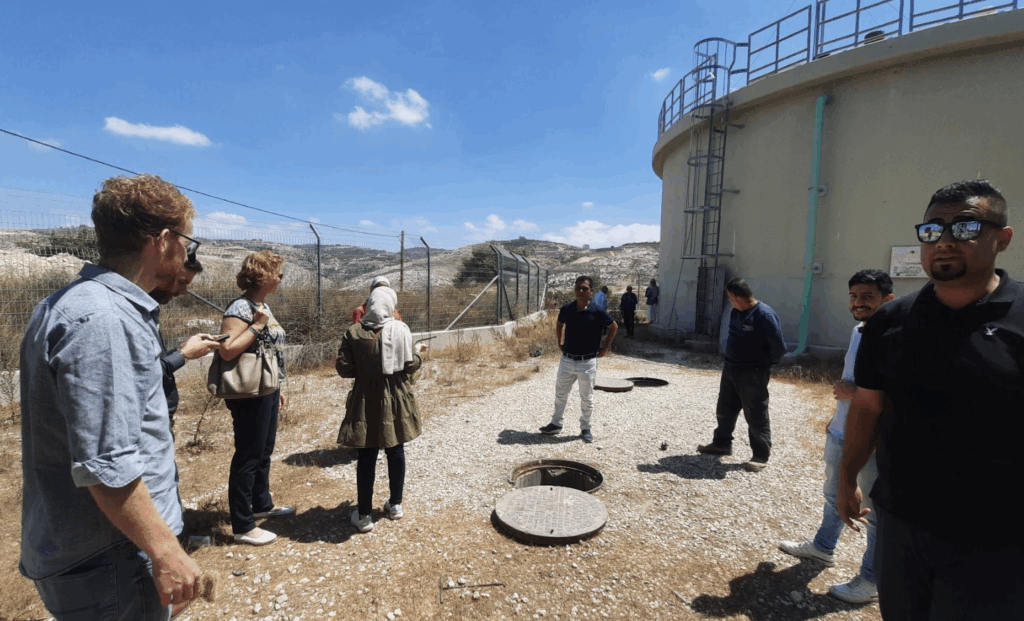

The same problem came up in every conversation. Utilities collect field data but lack the capacity to analyze it.
They’d invested in sensors and monitoring equipment. The data was flowing in. But then it just sat there because analyzing it required specialized skills and hours of manual work.
Operations managers were making decisions based on experience and gut feeling instead of the data they’d paid to collect. Not because they didn’t want to use it, they simply couldn’t turn it into actionable insights fast enough.
That’s the problem WaterCloud solves.
What Makes WaterCloud Different
Most analytics platforms give you dashboards and charts. That’s helpful, but it’s only half the solution.
WaterCloud does something more. It takes your raw field data and automatically processes it into insights you can actually use. No data science degree required. No hours spent cleaning spreadsheets.
Here’s how it works:
Your Data Goes Through an Automatic Journey
Think of it like this: your field data arrives messy and unprocessed. WaterCloud takes it through five steps automatically.
- First, cleaning. The system removes outliers and fills in gaps so you’re working with reliable data.
- Second, aggregation. WaterCloud organizes your data into hourly, daily, and monthly views for you.
- Third, advanced analytics. The system runs calculations like minimum night flow analysis and water balance automatically. No manual work required.
- Fourth, visual display. Results appear as charts, maps, and schematics in formats that make sense for your team.
- Fifth, narration. This is where water utilities tell us it makes the biggest difference. The system doesn’t just show you a chart, it explains what it means and suggests what to do about it.
Let me give you an example of why that matters.
Say your minimum night flow suddenly spikes in a specific zone. Instead of just showing you a red number, WaterCloud tells you: “Night flow in Zone 3 increased by 40% over the past three days. This typically indicates a new leak. Check pressure data for correlation and consider deploying acoustic equipment in this area.”
That’s the difference between having data and having insights.
Dashboards That Work for Everyone on Your Team
We’ve all seen fancy dashboards that look impressive in demos but nobody actually uses.
The problem? They’re built for one person’s needs. But your operations manager needs different views than your field technician. Your finance team cares about different metrics than your maintenance crew.
WaterCloud solves this with fully flexible dashboards that anyone can configure. No coding. No IT support needed.
Your water operations manager builds a dashboard focused on performance indicators. Your field supervisor creates a map view showing active alerts. Your finance director tracks cost savings and efficiency improvements.
Everyone gets the view they need without waiting for someone else to build it.
AI That Actually Helps (Not Just Marketing Hype)
Every software company talks about AI now. Most of it is just buzzwords.
So let’s be honest about what AI can and can’t do for water utilities.
AI is genuinely useful for three things: forecasting demand, detecting anomalies, and finding leaks. That’s where we focused our development.
How It Works in Practice
Demand forecasting uses your historical data to predict future water needs. The longer you use it, the more accurate it gets. This helps you plan operations and avoid supply shortages.
Anomaly detection monitors your pressure and flow data 24/7. When something unusual happens, a burst pipe, an air pocket, a blockage, the system alerts you immediately. Not hours later when someone notices. Right away.
Water Leak detection is where AI makes the biggest impact. The system tracks your pressure and flow data in real-time. Behind the scenes, it runs hydraulic models to find where leaks are probably occurring.”
Think about what this means for your team. No more walking miles of pipe hoping to find a leak. They go straight to the problem. You find issues faster and lose less water in the process.
Managing Issues from Detection to Resolution
Finding problems is only half the battle. You also need to manage what happens next.
WaterCloud includes an incident management system that tracks issues from detection through resolution.
When the system detects an anomaly or leak, it creates an alert. Your water operation managers looks at the alert. They figure out if it needs fixing. If it is, they create a work order for your field team.
The technician sees the work order on their mobile device, goes to the location, and updates the status as they work. Your manager sees progress in real-time and tracks how long issues take to resolve.
It’s a simple workflow, but it ensures nothing falls through the cracks.
Three Ways Utilities Use WaterCloud
Different utilities have different priorities. Here’s how teams typically use WaterCloud based on what matters most.
Reducing Non-Revenue Water
If you’re dealing with water losses and NRW, here’s what WaterCloud does. It watches your network in real-time. It finds leaks automatically. It shows you which areas matter most.
The system calculates your water balance automatically and tracks standard performance indicators like Infrastructure Leakage Index and Unavoidable Annual Real Losses. You get regular reports without manually compiling data.
More importantly, it helps you build leak reduction scenarios. You can model what happens if you fix water leaks in Zone A versus Zone B and see which delivers better returns.
Monitoring Large Pipelines
Large-diameter pipelines are critical infrastructure. When they fail, the consequences are serious, major water loss, service disruptions, sometimes infrastructure damage.
The good news? Large pipes are easier to monitor because leaks happen in large volumes. WaterCloud watches your transmission pipelines all the time and detects bursts, air pockets, and blockages as they develop.
You can catch problems before they become emergencies.
Managing Water Facilities
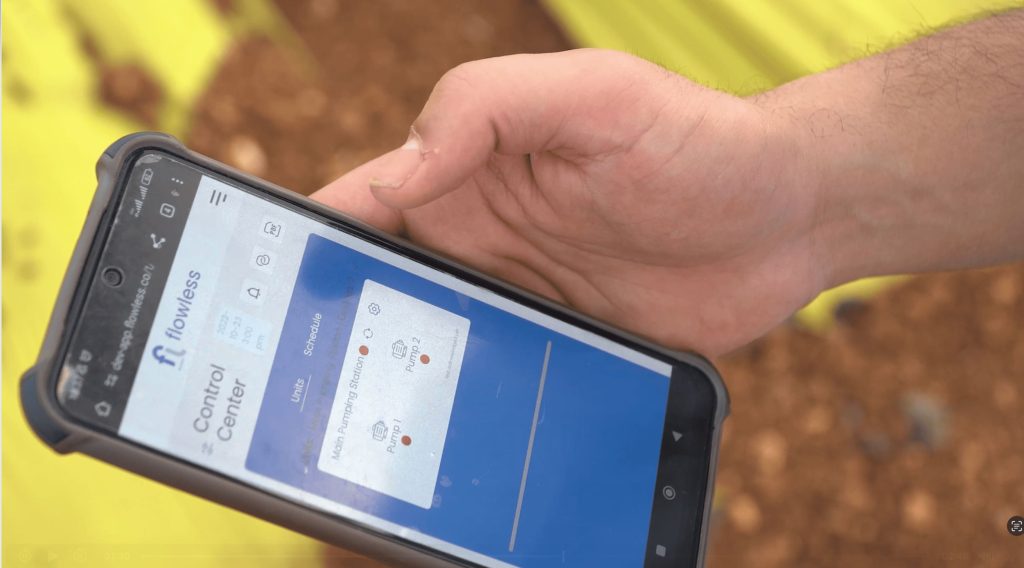
Do you operate pump stations, treatment plants, or storage facilities? WaterCloud helps you monitor and control everything from one place.
You track pump performance, energy consumption, and tank levels in real-time. The system alerts you when equipment shows signs of trouble so you can do maintenance before things break.
You can even set tasks to run automatically. Like adjusting when pumps run based on water demand. Less manual work, lower energy costs.
What This Means for Your Daily Operations
Let’s talk about what changes when you implement WaterCloud.
Your operations manager spends less time compiling reports and more time analyzing trends and making strategic decisions. They can see performance across the entire system at a glance and drill down into specific areas when needed.
Your field technicians get clear, prioritized work orders with all the information they need. No more guessing where to look for problems or what tools to bring. They know exactly where to go and what they’re likely to find.
Your leadership team gets accurate, up-to-date performance metrics without requesting special reports. They can track progress toward goals and make informed decisions about resource allocation.
The result? Your team operates more efficiently, catches problems earlier, and reduces water losses without adding headcount or working longer hours.
Common Questions We Hear
Is WaterCloud difficult to implement?
Implementation depends on your existing infrastructure. If you already have field monitoring equipment collecting data, WaterCloud can typically integrate with it. Our team handles the setup and trains your staff on how to use the system.
What if our network operates doesn’t run all the time?
WaterCloud works with both continuous and intermittent supply networks. The analytics adjust based on your network’s operating patterns.
Do we need technical expertise to use it?
No. That’s the whole point. We designed the system for water operations managers and field staff, not data scientists. If you can use a web browser, you can use WaterCloud.
How long before we see results?
Most utilities start seeing actionable insights within the first few weeks. The AI-powered features improve over time as the system learns your network’s patterns.
Can we customize it for our specific needs?
Yes. The dashboards are fully flixable, and we can configure custom analytics based on your requirements. Every utility is different, and WaterCloud adapts to how you work.
What kind of support do you provide?
We provide training during implementation and ongoing support as you use the system. Our team knows water utilities, we speak your language and understand your challenges.
Is WaterCloud Right for Your Utility?
WaterCloud works best for utilities that:
- Have field monitoring equipment already collecting data
- Want to reduce non-revenue water and improve efficiency
- Need their team to make faster, data-informed decisions
- Don’t have in-house data scientists or analytics specialists
- Want to catch problems early instead of reacting to emergencies
If that sounds like your situation, WaterCloud can help.
The best way to know for sure is to see it working with your actual data. We offer live demos. We can connect to your system or use sample data. You’ll see exactly how it works in your environment.
Ready to explore what’s possible?
Request a demo and we’ll walk through it together. No pressure, no sales pitch, just an honest conversation about whether WaterCloud fits your needs.
Or if you have questions first, feel free to reach out. We’re happy to discuss your specific situation and help you figure out the best path forward.

Aya Bozia
Flowless CMO