
Smart Farming Feeds Refugees on Jordan Rooftops
Climate change damages soil. Water supplies shrink. Traditional farming methods can’t keep up with food demands anymore.
Farmers need solutions that work in tight spaces with limited resources.
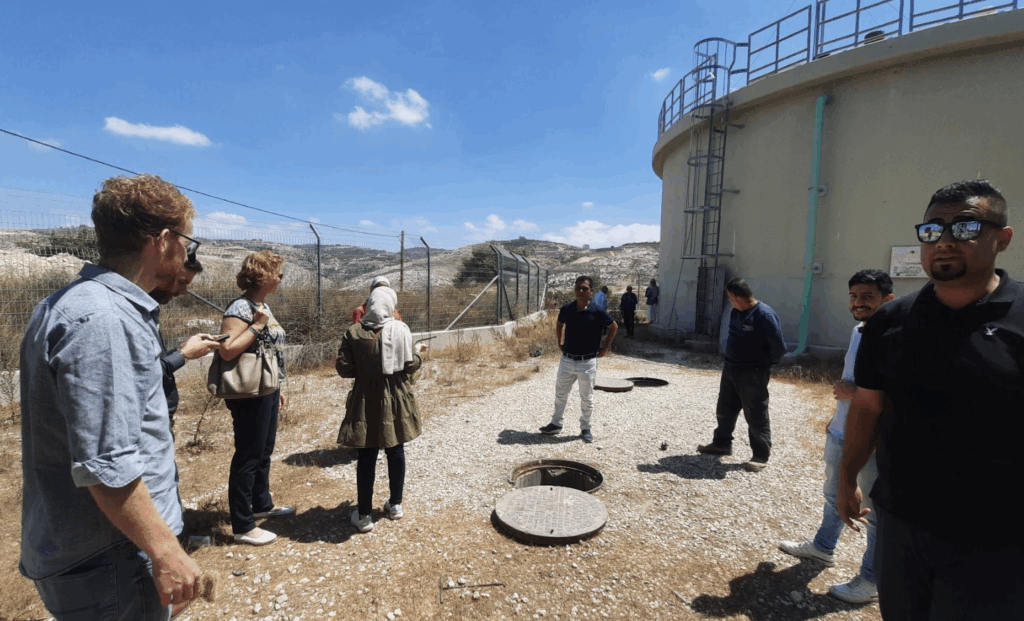
Senara, a social enterprise in Jordan, works in refugee camps. They grow food on rooftops using smart farming technology. Refugees gain jobs growing fresh vegetables where traditional farming fails.
Here’s how they made it work.
Rooftops Become Farms With 90% Less Water.
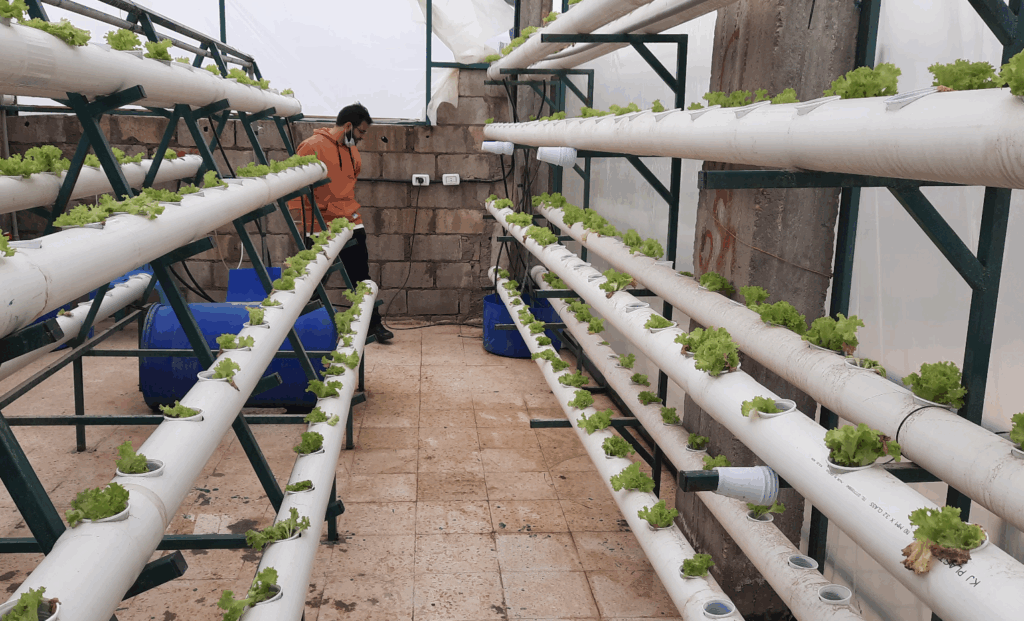
Hydroponics grows plants in nutrient-rich water instead of soil. This means you can farm anywhere, on rooftops, warehouses, or even balconies.
What this makes possible:
- You use 90% less water than traditional farming.
- Plants grow faster with fewer pests.
- You control temperature, lighting, and nutrients precisely.
- You turn unused rooftop space into productive farms.
- You grow food in places where soil quality makes farming impossible.
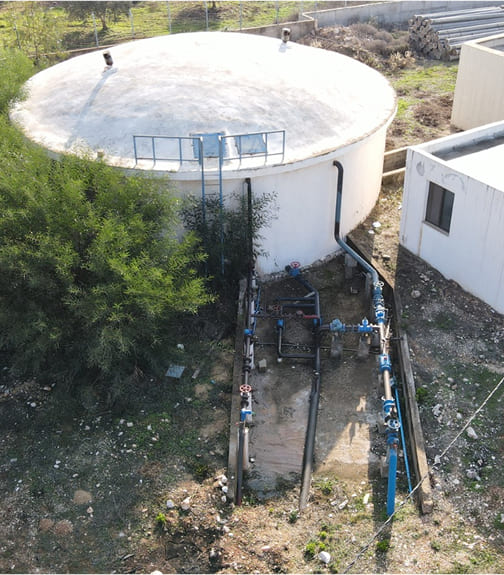
For Senara’s team in Jordan’s refugee camps, this technology opened a door. Rooftops that sat empty became vegetable gardens that generate income.
The Problem: Manual Nutrient Mixing Takes Hours Daily
Senara wanted to empower refugees to earn a sustainable income through farming. But hydroponics brings challenges.
The main obstacles:
- Nutrient mixing requires precision; small mistakes damage plants.
- pH levels need constant monitoring.
- Manual management takes hours each day.
- Different crops need different nutrient concentrations.
- Mistakes cost money in resource-scarce environments.
Even experienced farmers struggle with these tasks. For communities new to hydroponics, the learning curve felt steep.
Manual farm management technology wasn’t the answer. Senara’s team needed something better.
Sensors Track pH While Farmers Focus on Growing
Senara partnered with Flowless to automate their hydroponic systems.
Farmers used to check pH meters by hand. They measured nutrients manually. They adjusted concentrations throughout the day. Now sensors and Flowless automated system handle these tasks.
How Flowless automated irrigation works:
Sensors track water quality, nutrient levels, pH, and environmental conditions in real time. Flowless platform analyzes this data and adjusts nutrient delivery automatically.
What Senara’s farmers can do now:
- They check Flowless dashboards instead of manually testing water.
- They spot problems early before crops suffer.
- They spend time growing food instead of managing systems.
- They grow more crops with fewer mistakes.
- They control their farms confidently without years of training.
The technology works quietly in the background. Farmers focus on what matters: growing healthy crops and earning income.
Precision Irrigation for Multiple Crops
Senara grows multiple vegetable types on each rooftop: tomatoes, lettuce, herbs, and cucumbers. This diversity meets community needs better than single-crop farming.
But each crop needs different nutrients. Tomatoes need different concentrations than lettuce. Managing this manually would overwhelm farmers.
Precision irrigation solves this problem.
The automated system adjusts nutrient delivery for each crop type. Tomatoes get what tomatoes need. Lettuce gets what lettuce needs. All on the same rooftop. All managed automatically.
Farmers can diversify their crops without multiplying their workload or complexity.
Real-Time Alerts Catch Problems Before Crops Suffer
Internet of Things (IoT) devices connect sensors throughout the farm. These sensors collect data all the time and send it to the central system.
What farmers gain from IoT farming:
- Real-time monitoring shows exactly what happens in each growing zone.
- Automated alerts warn them about problems before damage occurs.
- Data analytics reveal patterns that improve yields over time.
- Remote monitoring lets them check farm status from anywhere.
- Predictive analytics help them plan harvest timing better.
This isn’t just technology for technology’s sake. It gives farmers tools that make their work easier and their results better.
Water Usage Optimization in Resource-Scarce Environments
Water scarcity hits Jordan hard. Refugee camps face even tighter constraints.
Hydroponics already uses 90% less water than traditional farming. Precision irrigation pushes efficiency further.
How water usage optimization works:
Sensors measure exactly how much water each plant zone uses. The system tracks consumption patterns. It identifies waste. It adjusts delivery to match plant needs precisely.
Farmers see their water usage data in clear dashboards. They know exactly where every drop goes. They can optimize further based on what the data shows them.
In environments where water costs money and availability fluctuates, this precision matters enormously.
Refugees Earn Income While Building Food Security
Social enterprises often struggle to balance impact with making money. They need both to survive. Senara proves you can achieve both simultaneously.
The model works because:
- Refugees gain farming skills that create long-term income.
- Rooftop farms produce fresh vegetables that communities need.
- Smart farming technology reduces running costs.
- Higher yields mean more products to sell.
- Lower water use means lower operating expenses.
- Automated systems reduce labor hours needed.
Social good and profit work together. Better technology means better yields. Better yields mean more income. More income means refugees gain financial stability.
Data Shows Exactly When to Harvest
Crop management sounds technical. But it means helping farmers make better decisions faster.
What crop management solutions provide:
The system tracks growth rates for each crop type. It compares current performance to historical patterns. It suggests optimal harvest timing. It identifies which crop varieties perform best in specific conditions.
Farmers get recommendations they can act on immediately. Should they harvest tomorrow or wait three more days? The data shows them. Which crop performed best last season? The system remembers.
This knowledge compounds over time. Each growing season adds data. Each harvest improves future planning. Farmers get smarter about their farming without needing years of trial and error.
Why This Partnership Creates Impact
Flowless and Senara share a vision: technology should empower people, not replace them.
The partnership works because both organizations see smart farming technology as a tool for human dignity and economic empowerment.
The results prove it:
- Refugees earn a sustainable income through farming.
- Communities access fresh, locally grown vegetables.
- Unused rooftop space becomes productive.
- Marginalized groups build financial resilience.
- Technology serves people instead of isolating them.
Senara’s team doesn’t manage complex technology. They manage farms. The technology handles the complexity quietly, letting farmers do what they do best: grow food and build livelihoods.
Proof: Smart Farming Works in the Hardest Conditions
Food security crises demand new approaches. We can’t solve them by doing more of what already fails.
Senara shows what becomes possible when you combine smart farming with automation designed for real-world constraints.
The key insights:
- Smart farming technology works in resource-scarce environments.
- Automated irrigation reduces complexity for new farmers.
- Precision irrigation maximizes limited water supplies.
- Data analytics help farmers improve over time.
- Social impact and financial returns work together.
- Technology should simplify farming, not complicate it.
This model can scale. Other social enterprises can follow Senara’s approach. Refugees can become farmers, entrepreneurs, and community leaders.
That transformation, from aid recipient to income earner, changes everything.
What Worked for Senara (and What Didn’t)
Senara’s success offers lessons for anyone implementing smart farming technology.
What works:
- Start with people, not technology, and understand farmer’s needs first.
- Automate complexity so farmers focus on farming.
- Use data to help people make decisions, not to replace decisions.
- Design systems for users with limited technical training.
- Measure results that matter: income, yields, water efficiency.
- Build partnerships that share values and vision.
What to avoid:
- Don’t assume farmers need less automation because they’re beginners.
- Don’t design systems that require constant technical support.
- Don’t add complexity without a clear benefit.
- Don’t ignore local constraints like water scarcity.
Technology succeeds when it disappears. When Senara’s farmers check their crops, they think about vegetables, not sensors. That’s exactly right.
From One Rooftop to Refugee Camps Across Jordan
Senara started with one rooftop. Now they manage multiple farms across refugee camps.
The next step? Share this model with other communities facing similar challenges.
What makes this scalable:
- Technology costs decrease as more farms adopt it
- Training becomes easier as best practices emerge
- Local farmers can train new farmers
- Data from all farms improves everyone’s results
- Partnerships amplify impact faster than solo efforts
Smart farming technology that works in refugee camps can work anywhere. If automated irrigation systems handle Jordan’s water scarcity, they can handle other challenging environments too.
The question isn’t whether the technology works. Senara proved it does. The question is how fast we can scale it to communities that need it.
Ready to explore how smart farming technology can support your agricultural operations? Contact Flowless to discuss your project.
Or if you have questions first, feel free to reach out. We’re happy to discuss your specific situation and help you figure out the best path forward.
Aya Bozia
Flowless CMO